

Oftentimes, you may find yourself listening to pop music from 2016 or even years prior and find it enjoyable, not just for the nostalgia but because of its carefree, raw vocals and, most importantly, its willingness to be experimental and take risks along the way. However, this isn’t the case for current pop music; today’s pop music isn’t like what it was in the past. With the way pop is today, it is easy for someone to be fatigued when constantly being bombarded with these common elements used in pop: the heavily computerized singing, unrelatable lyrics, unoriginal sample pieces, and much more. The real question here is what, exactly, makes these main components of current pop music such a hit or a miss compared to older pop music?
Song Structures and Lengths
Back then, the structures of older pop songs most commonly used an AABA or verse-chorus-bridge structures, which allowed for narrative development and tension building before reaching towards the end of a song. For song structures like this, they mainly consisted of things like an intro, verse, pre-chorus, chorus, and a bridge.
Intro: An instrumental opening sequence that sets the initial mood, tempo, and key before any vocal performance begins (Maddage, 2006)
Verse: The storytelling mechanism of the track, featuring changing lyrics over a repeating melody designed to advance the narrative plot (Maddage, 2006)
Pre-Chorus: A short, distinct transitional link that builds rhythmic or harmonic tension to propel the listener from the verse into the core message (Nieto 2020, Wang, 2024)
With a song structure like this, it made older pop songs longer, going on for at least 4 minutes, 5 minutes, or even longer. Data from The Washington Post reveals that the average lengths of a Billboard Hot 100 hit from the pop genre in the 1980s and 1990s were around four minutes or longer, with an average duration of 4 minutes and 14 seconds for the 90s, as it had incorporated elaborate instrumental solos, dramatic key changes, and extended fade-outs for the most part. In 1992, the average song length was 4 minutes and 21 seconds.
A factor that plays into why older pop songs were longer is the technology during the 80s and 90s, like tapes and CDS that allowed these songs to be 4 minutes or longer in the first place.
Nowadays, today’s pop song structures differ significantly. They prioritize hooks first and foremost, thanks to platforms like Spotify and TikTok. This would mean that if a music artist was to earn royalties from their songs, then they would have to get their listeners engaged within a shorter amount of time, like within 30 seconds, so they aren’t getting constantly skipped by making the intros in a song shorter and the choruses a main part of the song and repetitive to be appealing to those with shorter attention spans. This also means that other components, other than the chorus, are becoming less emphasized and used to continue connecting with the audience outside of the repetitive chorus, like how there were almost little to no bridges in current pop music, which makes it more unbearable and harder to listen to.
Auto-tune
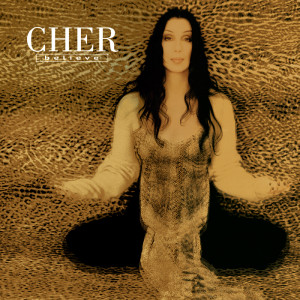
Whenever most people think of auto-tune in music, current pop music immediately comes to their mind, which couldn’t be further from the truth since many older pop songs had utilized auto-tune before. In fact, the most notable, if not the first example of auto-tune being used in older pop music, is in Cher’s 1998 song “Believe,” which was known for setting the retune speed to 0 to achieve its distinct sound using auto-tune, known as the “Cher Effect” today. The song then went on to reach the number 1 spot in 23 countries and sold 21 million copies by the time of its release. Auto-tune became used more throughout the 2000s by music artists like T-Pain, Kanye West, and many more.
Storytelling, Lyrics, and Themes
What people typically look for in a song is its relatable themes that resonate with any aspect of their life, which has made most older pop songs stand the test of time with their universal themes about human struggles. Recently, pop music is embracing simpler and darker lyrics and themes than in previous decades. While the darker lyrics and themes, like heartbreak, anxiety, and personal despair, are relatable, the other half of pop music contains themes about a singer’s luxurious lifestyle and fame, which can be less relatable to a majority of the listeners.
2024 Scientific Reports studies from Nature examines thousands of Billboard hits from the past five decades and reveals a steady decline in a variety of vocabulary words and structural complexity. Older pop often relied on narrative verses and elaborate metaphors to tell a story; modern pop songwriting focuses heavily on repeating the same hook. According to data analytics, the ratio of repeated-to-non-repeated lines has nearly doubled in pop songs since 1970. This is often viewed as a decline in storytelling by many people, meaning that songwriters now prioritize digestible, algorithm-friendly phrasing over artistic depth.
Samples
Sampling was where producers completely changed their version of an already existing song that they took inspiration from by chopping and pitch-shifting until it was unrecognizable. Throughout this process, producers used obscure vinyl records, isolating microscopic drum breaks, horn blasts, or basslines using hardware, like the Akai MPC, to create a sample piece. This process was thought of as more original and groundbreaking compared to the way samples are used in today’s pop. Although a lot of pop songs did use sampling, the process of sampling originates from hip hop, particularly from rappers like DJ Kool Herc. But when there are samples in pop music, it would be mostly seen as a homage to the song and a creative, original one at that before the sample piece, like how Madonna utilized ABBA’s “Gimme! Gimme! Gimme!” for her 2005 song “Hung Up.”
Now, in current pop, sample pieces are viewed as unoriginal and plagiarization of the songs that it sampled. It is also becoming easier to go through the sampling process without any issues with the rise of digital software and platforms like Splice. Unlike older pop, sample pieces used in modern times sound completely different from the songs that they originated from. Pop producers often change the core melody of a popular song. An example is David Guetta and Bebe Rexha sampling Eiffel 65’s “Blue’ and modernizing the beat by a bit and just changing the lyrics. Many people often view sampling in today’s pop as unoriginal and “safe,” as most sample pieces of today relied on using older music to provide a sense of familiarity to their listeners so they can get them to skip the songs less.
The Other Side of Pop
As much as people would love to complain about the quality of current pop, is it really as terrible as many make it out to be? On the flip side, there are other pop musicians, like indie pop musicians, who try to go against the grain. Considering that these musicians tend to work outside of major-label corporate companies and work at independent record labels, like Jagjaguwar and Dead Oceans, they do not have to write songs that would attempt to appeal to everyone and include short lived trends. Rather than using loud, heavily compressed, recycled hooks, indie pop musicians instead use diverse live instruments, acoustic guitar warmth, and unique song structures.
Examples of beloved indie pop musicians who go beyond what is expected in mainstream pop, like Mac DeMarco and Phoebe Bridgers, both rely on acoustic guitar warmth, vintage tape machines, and melancholy orchestral arrangements to build an intimate, authentic sound to their music and easily resonate with their audience in a way that most mainstream pop music can’t.
Conclusion
While many people will still continue to scream the lyrics of the newest pop releases at the top of their lungs or cling onto their favorite pop tunes of the past, pop music will always change in ways people might like or not. As today’s trends come and go, the music industry will always find a way to try to please everyone all at once. In order for musicians to get more recognition or money, they must appeal to the majority in one way or another.
References
Allen, J. (2018, October 18). Auto-Tune at 20: 10 surprising facts about the divisive musical phenomenon. BBC. Retrieved May 26, 2026, from https://www.bbc.co.uk/music/articles/0e8256de-0d76-40c7-a59b-699977c0b597
Automatic Structure Detection for Popular Music. (n.d.). Institute for Infocomm Research. Retrieved May 26, 2026, from https://www.ee.columbia.edu/~dpwe/papers/Maddage06-musstr.pdf
Birth of the Beat: A brief history of sampling in hip-hop. (2026, February 20). Roli. https://roli.com/blog/a-brief-history-of-sampling-in-hip-hop
French, K. (2025, December 11). Pop Music Is Getting Darker. Nautilus Magazine. Retrieved May 26, 2026, from https://nautil.us/pop-music-is-getting-darker-1254039
Song lyrics have become simpler and more repetitive over the last five decades. (2024, March 28). Nature. https://www.nature.com/articles/s41598-024-55742-x
Spencer, L. (n.d.). Auto-Tune | Computer Science | Research Starters. EBSCO. Retrieved May 26, 2026, from https://www.ebsco.com/research-starters/computer-science/auto-tune
Yu, S. (2024, January 26). Pop songs are getting shorter in the era of streaming and TikTok. The Washington Post. Retrieved May 26, 2026, from https://www.washingtonpost.com/entertainment/interactive/2024/shorter-songs-again/