
The Branch Davidians from Waco, Texas were most known for their 51-day standoff that led to a siege in spring of 1993. The cult originated in 1955 as a breakaway faction of the Shepherd’s Rod (Davidians), which itself split from the Seventh-day Adventist Church. The Branch Davidians believed in an imminent apocalypse and a battle against “Babylon.” Did their beliefs become a self-fulfilling apocalypse, or should the 51-day siege, which resulted in nearly 90 deaths, be described as a catastrophic tragedy instead?
Who Were the Branch Davidians?
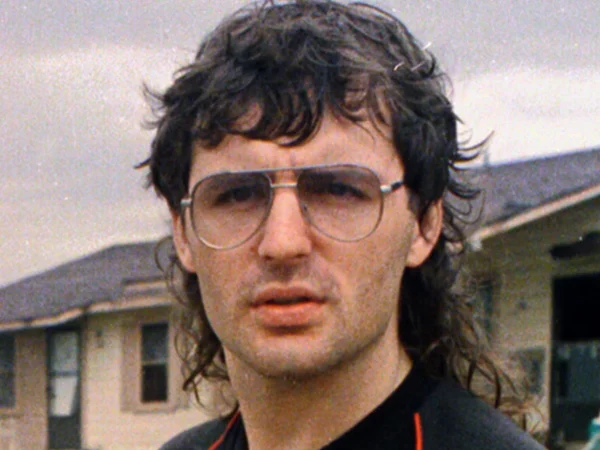
The Branch Davidians were an apocalyptic religious sect rooted in Seventh-day Adventism, founded in 1955 by Benjamin Roden as a splinter group of Victor Houteff’s Davidian movement. Houteff’s movement began in 1929 with just 37 followers. Roden’s group grew to roughly 90 members and established a communal compound called Mount Carmel, located about 13 miles outside Waco, Texas. After Roden’s death, a violent power struggle erupted between his son George Roden and David Koresh, a charismatic and controlling figure who used scripture and very strict discipline to dominate the group. Koresh ultimately seized leadership and reshaped the Branch Davidians around his own teachings, including claims of messianic authority and polygamous practices. Under his leadership from 1987 to 1993, the community grew back to nearly 100 members living communally at Mount Carmel. Several Branch Davidian members were arrested and convicted of crimes before and after the infamous 1993 siege. Koresh was first arrested in 1987 following the shootout with George Roden but remained the group’s leader. The Bureau of Alcohol, Tobacco, and Firearms (ATF) later attempted to arrest Koresh on weapons charges, sparking the 51-day siege. After the siege ended, 11 surviving Branch Davidians were arrested. 8 were convicted in 1994 for voluntary manslaughter, including Paul Fatta (13 years for weapons charges) and Kathryn Schroeder, who pleaded guilty. All convicted members were released from prison by 2007. Today, there are still people who believe in Koresh and his teachings, but nothing illegal has come to light since the siege.
What Were Their Crimes?
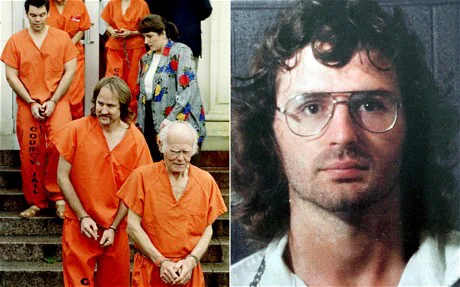
Whether or not the Branch Davidians of Waco, Texas, were actually a cult, and who fired the first shot, have been debated for almost 32 years, but one thing that is undeniably true is that some of them were criminals. Their leader, David Koresh, was accused of a wide range of serious offenses: the ATF obtained an arrest warrant charging him with unlawful possession of a destructive device. In addition, undercover agents found evidence that Davidians were stockpiling large quantities of illegal weapons at the Mount Carmel compound, and former members alleged the group was actively training followers to use them. Koresh and his followers also traded firearms at gun shows as a method of securing funds to keep the compound operational. His alleged crimes extended far beyond weapons violations — under his self-invented doctrine, known as the “House of David,” he claimed God had instructed him to take multiple “spiritual wives” from within the group, including both married and single women, and he is said to have recruited girls as young as 11 or 12 as wives, fathering a dozen or more children. Some sources alleged he had as many as 17 children with 11 different women. In 1984, Koresh had already married a 14-year-old Branch Davidian named Rachel Jones. A six-month investigation by Texas Child Protection Services in 1992 failed to find conclusive evidence of abuse, though investigators believed some had been concealed, and in 1993, the Waco Tribune-Herald published a series called “The Sinful Messiah,” reporting allegations of statutory rape. According to the Department of Justice, evidence supported that Koresh had engaged in child physical and sexual abuse for years prior to the ATF raid, corroborated by former members, social workers, and testimonies from those who had lived at the compound.
The Psychological Side

The psychological toll of the Waco siege on survivors — both adult and child — was severe and long-lasting. Mental health practitioners predicted that survivors would face a lifetime of trauma, fearing many would never fully recover. For the children released during the standoff, the damage was immediately visible. Psychiatrist Dr. Bruce Perry, who counseled the released children, reported that their resting heart rates were twice as high as expected for a normal child, and one of the youngest looked up at him and asked, “Oh, are you here to kill us?” The children had been so thoroughly conditioned by Koresh’s apocalyptic view of the world that they believed he was God and that dissent was simply not possible in their minds. Child survivor Joann Vaega, just six years old at the time, described the outside world as completely foreign once evacuated — even flushing a toilet was frightening. She grew up facing “demons” that were different from those of other children. Readjusting to life outside the compound felt like “starting completely over.” For adult survivors, the trauma proved equally enduring, with many dedicating years to correcting a distorted media narrative — a form of ongoing psychological harm layered on top of the original wound. As for the psychology behind a mind like Koresh’s, experts point to specific personality traits, most prominently narcissistic personality disorder. Cult leaders are commonly described as pathologically narcissistic — driven by an inflated sense of self-importance and a fundamental lack of empathy. Koresh had a sharp ability to read people and sense their weaknesses, and he exploited them to build control while remaining incapable of self-reflection. He used doomsday prophecies to create apocalyptic urgency, making questioning him feel not just disloyal but spiritually dangerous, which gradually eroded his followers’ critical thinking until dying alongside their prophet felt like the fulfillment of prophecy rather than its failure.
The Siege
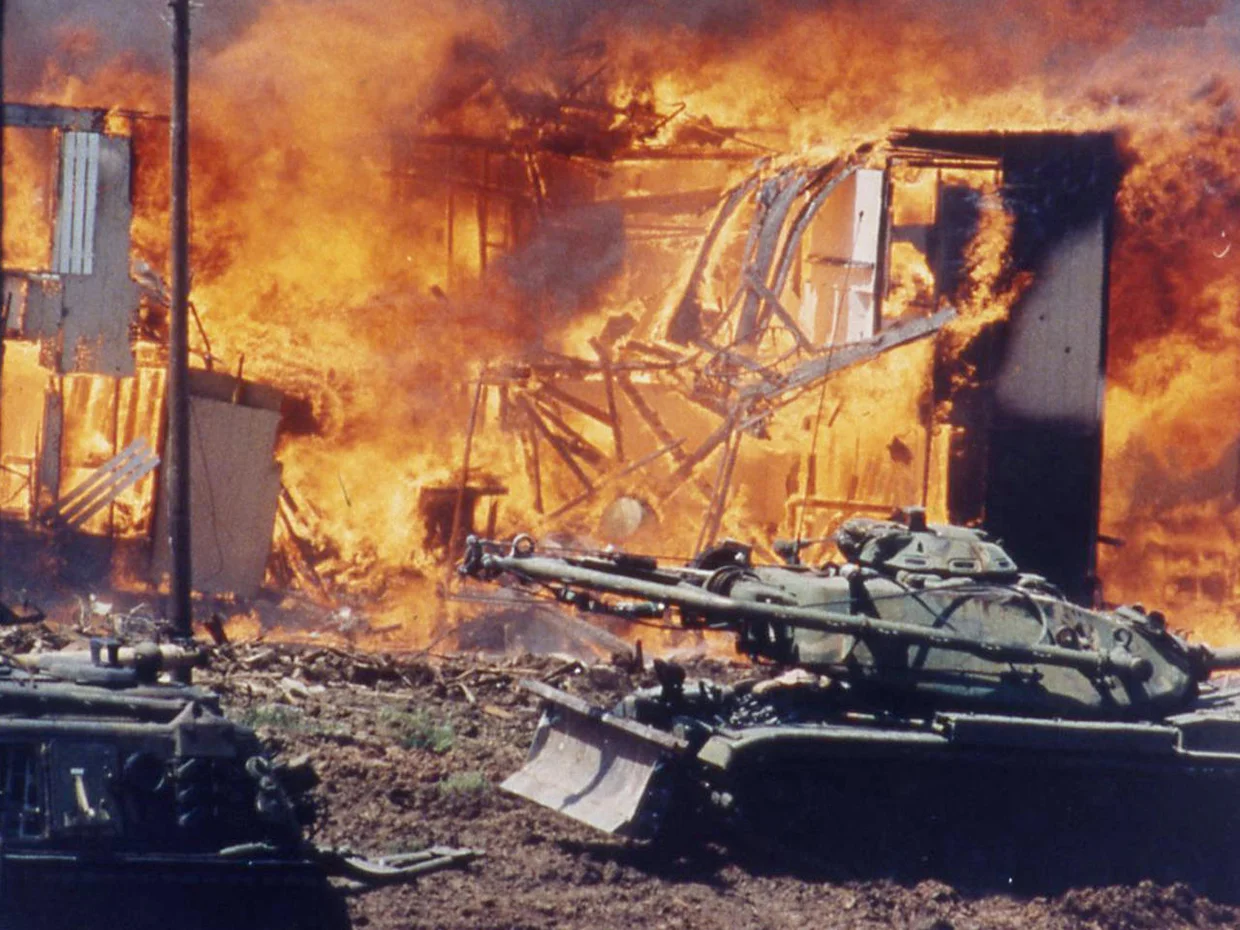
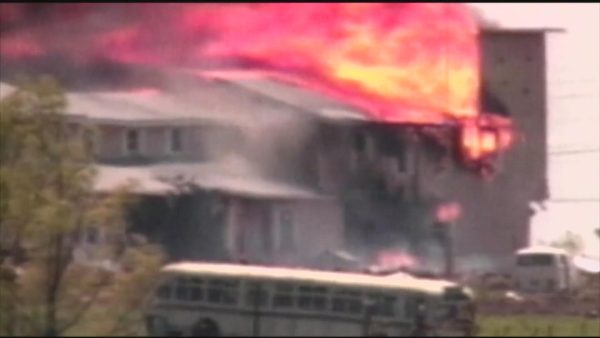
The Waco siege was a standoff between the Branch Davidians and federal law enforcement agencies that occurred from February 28 to April 19, 1993. In 1990, David Koresh assumed leadership of the Branch Davidians and increasingly incorporated radical ideas into his messages. He claimed that God instructed him to build an Army of God to prepare for the end of days, encouraging the stockpiling of ammunition and weapons. On February 28, 1993, the ATF attempted to implement a surprise raid of the compound to serve arrest and search warrants for various offenses, including child abuse, statutory rape, and weapons charges. After four ATF agents and six Davidians were killed in the gun battle that followed, a cease-fire was arranged, and nearly 900 law enforcement officials eventually surrounded the compound, including hostage negotiators and rescue teams from the FBI. As talks stalled, agents tried various strategies, including turning off the compound’s electricity, playing Tibetan chants over loudspeakers, and shining spotlights on the complex to “disrupt sleep.” Though initially reluctant, Attorney General Janet Reno ended up approving a plan to fire tear gas into the Mount Carmel compound to try and force out the Davidians. The 51-day standoff eventually ended when the compound burned to the ground on April 19, killing 76 Davidians, 21 of whom were children. In the aftermath, congressional hearings examined the events, revealing complexities around the actions of both the Davidians and federal agents and testimonies that indicated that the federal response was criticized for its handling of the situation. On April 19, 1995, Timothy McVeigh and Terry Nichols bombed the Alfred P. Murrah Federal Building in Oklahoma City, killing 168 people; McVeigh claimed that the bombing was retaliation against the government for its handling of the Waco case.
Conclusion
The story of the Branch Davidians stands as a sobering reminder of what happens when unchecked religious extremism, psychological manipulation, and government missteps collide. David Koresh exploited faith and fear to build a world where dying alongside him felt like destiny, and the federal response — however well-intentioned — only hastened that end. The 76 lives lost on April 19, 1993, including the 21 children, were the ultimate price of those failures. Their memory compels us to remain vigilant against the dangers of blind devotion and the misuse of power, in whatever form either may take.
References:
- Childress, S. (2018, February 28). 10 Things You May Not Know About Waco. FRONTLINE; Frontline PBS. https://www.pbs.org/wgbh/frontline/article/10-things-you-may-not-know-about-waco/
- Staff, K. (n.d.). “Mad Man in Waco”: How David Koresh went from aspiring rock star to religious sect leader. Https://Www.kwtx.com. https://www.kwtx.com/2023/02/21/mad-man-waco-how-david-koresh-went-aspiring-rock-star-religious-sect-leader/
- O’Neal, S. (2023, March 20). What Is Left to Say About Waco? “Waco: American Apocalypse” Doesn’t Even Try. Texas Monthly. https://www.texasmonthly.com/being-texan/waco-american-apocalypse/
- (2023). Study.com. https://study.com/academy/lesson/branch-davidians-koresh-history-leader-waco-siege.html
- Id: 1958. (n.d.). The Branch. Waco History. https://wacohistory.org/files/show/1958
- PBS. (2014). David Koresh | Waco – The Inside Story | FRONTLINE | PBS. Pbs.org. https://www.pbs.org/wgbh/pages/frontline/waco/davidkoresh.html
- Asch, S. (2023, February 6). 30 years after the siege at Mount Carmel in Waco, can we learn from what happened? KUT Radio, Austin’s NPR Station; KUT. https://www.kut.org/texasstandard/2023-02-06/waco-rising-book-kevin-cook-explores-branch-davidians-seige-david-koresh
- Barcella, L. (2018, April 13). The Waco Siege: 6 Little-Known Facts | HISTORY. HISTORY. https://www.history.com/articles/waco-siege-what-happened-little-known-facts
- Waco, Branch Davidians, and Changing Perceptions | Roper Center for Public Opinion Research. (2018, April 18). Ropercenter.cornell.edu. https://ropercenter.cornell.edu/blog/waco-branch-davidians-and-changing-perceptions
- Wessinger, C. (2018, April 13). The deaths of 76 Branch Davidians in April 1993 could have been avoided – so why didn’t anyone care? The Conversation. https://theconversation.com/the-deaths-of-76-branch-davidians-in-april-1993-could-have-been-avoided-so-why-didnt-anyone-care-90816
- Branch Davidians’ Compound Burns | EBSCO. (2023). EBSCO Information Services, Inc. | Www.ebsco.com. https://www.ebsco.com/research-starters/history/branch-davidians-compound-burns
- History.com Editors. (2017, December 19). Waco Siege – Texas, Deaths & Survivors | HISTORY. HISTORY. https://www.history.com/articles/waco-siege
- Baughman, K. (2014). Mount Carmel Center | Waco History. Waco History. https://wacohistory.org/items/show/37
- Pitts, W. (1995, September 1). TSHA | Davidians and Branch Davidians. Www.tshaonline.org. https://www.tshaonline.org/handbook/entries/davidians-and-branch-davidians
- Branch Davidians | Encyclopedia.com. (n.d.). Www.encyclopedia.com. https://www.encyclopedia.com/people/history/us-history-biographies/branch-davidians
- History.com Editors. (2010, February 9). Waco Siege ends; Branch Davidian compound burns | April 19, 1993 | HISTORY. History.com. https://www.history.com/this-day-in-history/april-19/branch-davidian-compound-burns
- Worthy, A. (2023, April 19). 30th anniversary of Waco siege: Survivor shares story, talks about life after Branch Davidian compound – Houston Public Media. Www.houstonpublicmedia.org. https://www.houstonpublicmedia.org/articles/news/texas/2023/04/19/449490/david-thibodeau-waco-siege-survivor-30th-anniversary-shares-story-book/
- Report to the Deputy Attorney General on the Events at Waco, Texas: Introduction. (2014, September 16). Justice.gov. https://www.justice.gov/archives/publications/waco/report-deputy-attorney-general-events-waco-texas-introduction
- FAQs | Waco – The Inside Story | FRONTLINE | PBS. (2014). Pbs.org. https://www.pbs.org/wgbh/pages/frontline/waco/topten.html
- Buckler, K. (2022). Waco siege | EBSCO. EBSCO Information Services, Inc. | Www.ebsco.com. https://www.ebsco.com/research-starters/history/waco-siege
- Burnett, J. (2013, April 20). Two Decades Later, Some Branch Davidians Still Believe. NPR.org. https://www.npr.org/2013/04/20/178063471/two-decades-later-some-branch-davidians-still-believe
- Welcome To Zscaler Directory Authentication. (2026). Abcnews.com. https://abcnews.com/US/david-koresh-followers-describe-life-inside-apocalyptic-religious/story?id=52033937
- Gray, J. (2023, January 24). Uncovering What Really Happened at the Waco Siege. AETV. https://www.aetv.com/articles/what-happened-waco-siege
- Planet Koresh: Inside the Mount Carmel Compound in Waco, Texas. (2023, February 2). Literary Hub. https://lithub.com/planet-koresh-inside-the-mount-carmel-compound-in-waco-texas/
- Stump, S. (2018, September 28). Survivor stories: Waco survivor Joann Vaega reflects on life at the compound. TODAY.com; TODAY. https://www.today.com/news/survivor-stories-waco-survivor-joann-vaega-reflects-life-compound-t137048
- PEARSON, M. (2018, January 3). Survivors of 1993 Waco siege describe what happened in fire that ended the 51-day standoff. ABC News. https://abcnews.com/US/survivors-1993-waco-siege-describe-happened-fire-ended/story?id=52034435
- Peter Van Sant. (2017). “I’ve kept my story secret for the last 25 years — I didn’t want to take this to my grave.” In CBS News. https://www.cbsnews.com/news/waco-texas-siege-i-have-been-blamed-for-what-happened-out-there-says-retired-ups-deliveryman/
- Obituary for Larry Kent Gilbreath at Foss Funeral Home. (2024). Fossfuneralhome.com. https://www.fossfuneralhome.com/obituary/larry-gilbreath
- Livingstone Fagan. (2019). BBC. https://www.bbc.co.uk/programmes/p06r7zcl/p06r8dtr
- Moreton, C. (2013, March 24). Waco siege 20 years on: the survivor’s tale. Telegraph.co.uk. https://www.telegraph.co.uk/news/religion/9950378/Waco-siege-20-years-on-the-survivors-tale.html