
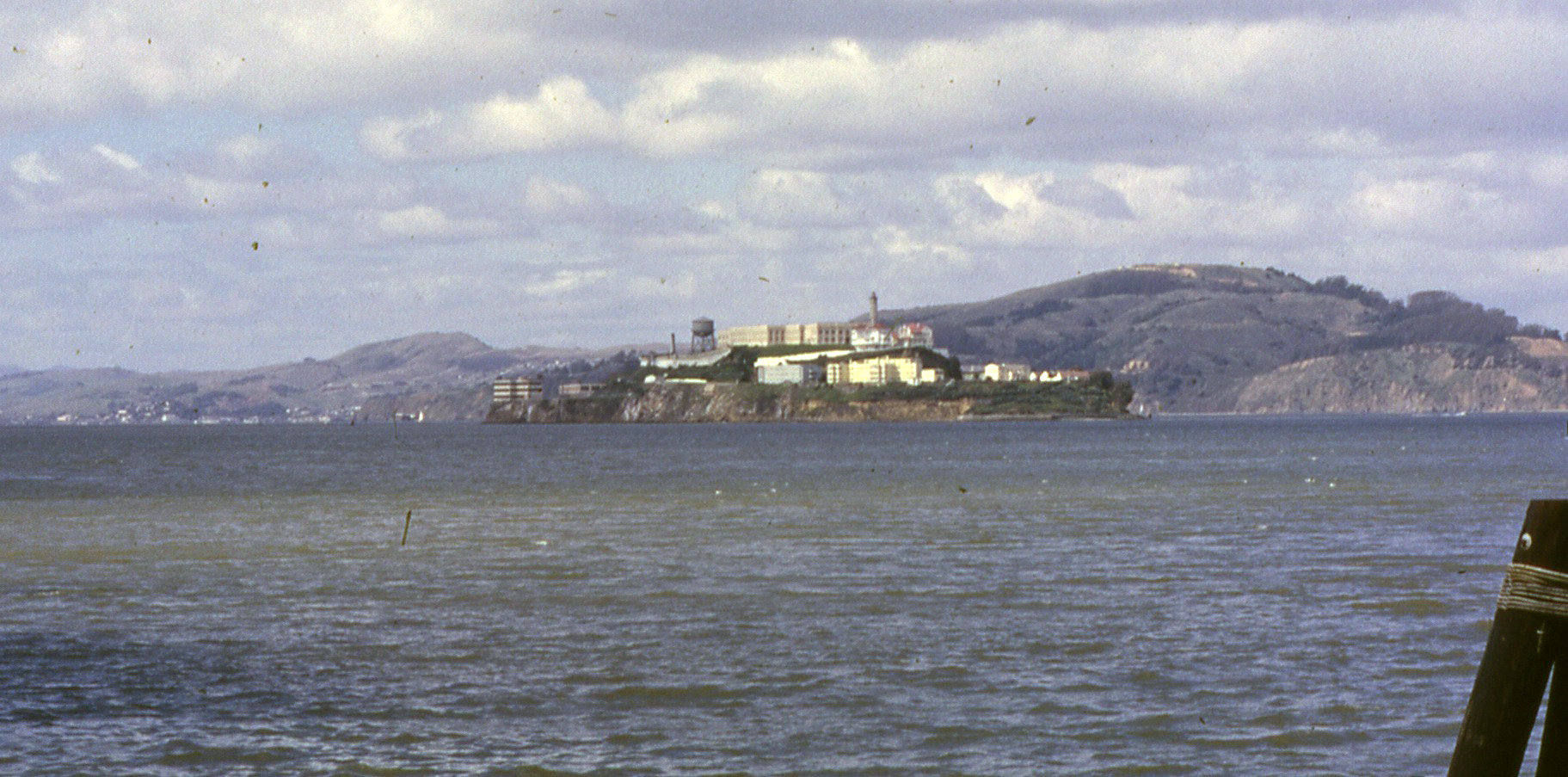
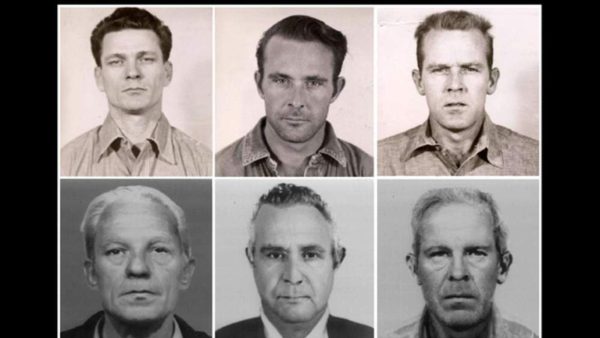
On the night of June 11, 1962, four inmates—Frank Morris, brothers John and Clarence Anglin, and Allen West—executed a meticulously planned escape from Alcatraz Federal Penitentiary. Widely considered the “brains” of the operation, with an IQ of 133 and being described as “borderline genius,” Morris led the trio, with the Anglin brothers providing the necessary muscle. While West failed to break out of his cell in time, the other three successfully vanished into the cold waters of San Francisco Bay. Despite the FBI officially closing the case in 1979 without finding the bodies, the inmates’ ultimate fate remains one of America’s most enduring mysteries. Theories range from drowning to a successfully orchestrated escape, with popular rumors suggesting they lived out their lives in Brazil under the protection of gangster Mickey Cohen.
Preparations for the Escape
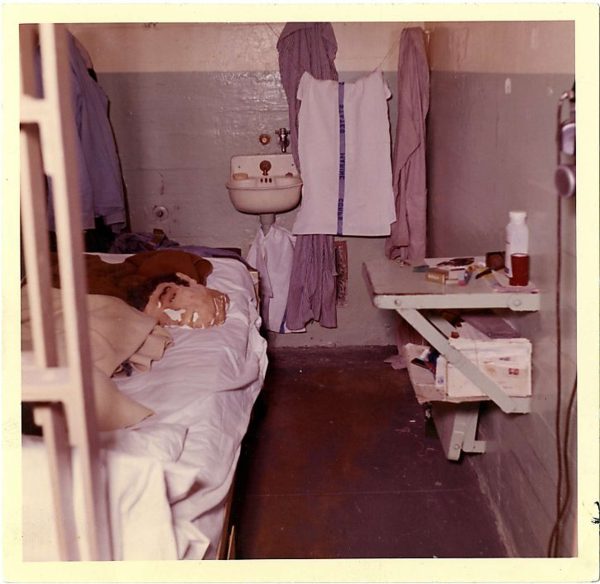
Starting sometime between a year and six months before their actual escape, inmates Frank Morris, John Anglin and Clarence Anglin began to plan an audacious feat that would captivate America for decades. These three men, along with another prisoner, Allen West, had to steal materials, create a secret workshop, and chisel through cell walls to escape. The vents throughout “The Rock” (Alcatraz’s nickname) were severely salt-damaged due to seawater usage during construction (1910-1912), constant salt-spray, and lack of maintenance. Sharpened spoons and an improvised drill, fashioned from the motor of a vacuum cleaner, were used to widen the ventilation ducts under their sinks after the grates were removed. The criminals concealed their work with painted cardboard. Morris and the Anglin brothers gained access to the unguarded utility corridor directly behind their cells, which they utilized to reach the cell block roof. To create paddles, a raft made of raincoats, and other equipment, the prisoners set up a secret workshop on the unused top level of the cellblock. Later, decoy heads were created using a papier-mache-like mixture of soap, toothpaste, concrete dust, and real human hair from the barbershop to place on their pillows. During music hour, someone was playing an accordion, which helped to mask the sound of their drilling. West was unable to escape his cell in time because the cement he used to hide the open vent dried, making it impossible for him to remove.
The Night of the Breakout
On the evening of June 11, 1962, as the fog rolled across San Francisco Bay and the guards began their nightly rounds, Morris and the Anglin brothers put their bold plan into action. At lights-out, they placed the meticulously crafted dummy heads on their pillows, giving the illusion that they were sleeping soundly in their cells. They quietly slipped through the widened ventilation ducts at the back of their cells and entered the utility corridor. Their movements were muffled by the distant strains of music from the prison’s recreation hour. Navigating the maze of pipes and dark passageways, they climbed to the roof, where they paused, before descending a 50-foot wall using a makeshift rope fashioned from raincoat scraps. Once on the ground, they crossed the prison yard and scaled the outer fence, finally reaching the cold, churning waters of the bay. Inflating their homemade raft and paddles, they disappeared into the night. By morning, the only traces left behind were the decoys and a gaping mystery that would baffle authorities for generations. Their escape was a feat of meticulous planning and remarkable nerve, executed under the ever-watchful eyes of the guards and against the formidable backdrop of Alcatraz’s isolation. Each step had been rehearsed in secret over many months, and every detail—from gathering materials to timing their movements—had to be flawless. The ingenuity and courage required for such an attempt would later fascinate investigators and the public alike, adding to the legend of the prison itself. Their disappearance not only embarrassed prison officials but also ignited a nationwide debate about whether the impossible had finally been achieved on “The Rock.”
The Aftermath and Investigation
The immediate aftermath of the breakout began the following morning when guards discovered the meticulously crafted dummy heads resting on the pillows of the three missing inmates. The only traces left behind were the decoys and a gaping mystery. Recognizing the scope of the event, a massive manhunt was instantly launched, enlisting the combined resources of the FBI, the Coast Guard, and local law enforcement agencies. Search efforts were intensely focused on the frigid, treacherous waters of San Francisco Bay and the surrounding shorelines. Debris discovered on nearby Angel Island was strongly believed to be from the inmates’ makeshift raincoat raft, as well as a paddle and other personal effects. Despite the intensive search, no bodies were ever recovered, ensuring the ultimate fate of the men remained an immediate mystery. The sheer ingenuity required for such an attempt quickly fascinated both investigators and the public alike, adding to the growing legend of the prison. The formal investigation continued for years, with the FBI officially closing the case in 1979, having concluded that the men most likely drowned in the bay’s strong currents. Nevertheless, the case was never truly closed, as the U.S. Marshals Service has retained jurisdiction, periodically following up on new leads and reported sightings of the escapees.
The Theories
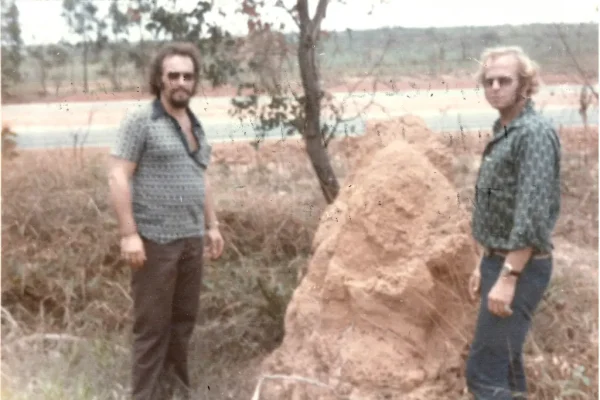
Over the decades, numerous theories have emerged regarding the ultimate fate of Frank Morris, John Anglin, and Clarence Anglin. The most enduring and official theory held by the FBI for years is that the men drowned in the treacherous, cold currents of the San Francisco Bay. However, conflicting evidence and potential leads have fueled persistent speculation that they survived their perilous journey. Oceanographic studies have even lent credence to the possibility of survival, with Dutch scientists concluding that if the escapees had launched the raft between 11:00 p.m and midnight, the favorable tidal currents could have carried them safely to land, potentially near the Golden Gate Bridge, especially if they paddled. Evidence suggesting success includes reports of a suspicious boat in the bay that night and the theft of a 1955 blue Chevrolet in the immediate aftermath of the escape. Furthermore, a raft with footprints was reportedly found on Angel Island, which supported the idea of a successful landing. The Anglin family has actively maintained that the brothers survived, claiming to have received postcards, photographs, and even a Christmas card signed by the brothers years after the escape. The family evidence includes a 1975 photo that appeared to show the Anglin brothers living in Brazil. These details reinforce the popular belief that the men escaped to South America, possibly aided by criminal connections, with rumors specifically suggesting that gangster Mickey Cohen helped finance the escape. Interest in the case has been repeatedly reignited by alleged correspondence. In 2013, a letter allegedly from John Anglin surfaced. A separate letter, surfaced in 2018, claimed that all three barely survived the journey, and that John Anglin was suffering from cancer, with the last of the trio reportedly dying in 2011. To this day, no conclusive evidence proves whether the escapees perished or succeeded, ensuring the legend endures.
Conclusion
The 1962 Alcatraz Escape remains one of America’s greatest unsolved mysteries. The daring nature of the plot, the ingenuity of the prisoners, and the enduring question of their ultimate fate continue to intrigue the public. Whether the men perished in the bay or lived out their lives in anonymity, their story has become steeped in American folklore – symbolizing both the limits of incarceration and the enduring hope for freedom.
References:
- Pruitt, S. (2015, October 8). Escape From Alcatraz: June 11, 1962 | HISTORY. HISTORY. https://www.history.com/articles/escape-from-alcatraz-june-11-1962
- FBI. (2016). Alcatraz Escape | Federal Bureau of Investigation. Federal Bureau of Investigation; FBI. https://www.fbi.gov/history/famous-cases/alcatraz-escape
- Burke, M. (2024, June 10). “It was the cleverest escape in the prison’s 30 years”: The men who broke out of Alcatraz with a spoon. Www.bbc.com; BBC. https://www.bbc.com/culture/article/20240607-it-was-the-cleverest-escape-in-the-prisons-30-years-the-men-who-broke-out-of-alcatraz-with-a-spoon
- Lewis, R. (2018). Alcatraz escape of June 1962 | Planning, Escapees, & Facts. In Encyclopædia Britannica. https://www.britannica.com/event/Alcatraz-escape-of-June-1962
- Frost, N. (2018, July 16). Was the Escape from Alcatraz Successful? | HISTORY. HISTORY. https://www.history.com/articles/alcatraz-escape-new-evidence-anglin-brothers
- PBS. (2016, March 10). The Alcatraz Escape ~ The June 1962 Alcatraz Escape | Secrets of the Dead | PBS. Secrets of the Dead. https://www.pbs.org/wnet/secrets/alcatraz-escape-june-1962-alcatraz-escape/2667/
- Federal Bureau of Prisons. (2019). BOP: Alcatraz. Bop.gov; Federal Bureau of Prisons. https://www.bop.gov/about/history/alcatraz.jsp
- Alcatraz: Making San Francisco History for Generations. (2018, November 16). Golden Gate National Parks Conservancy. https://www.parksconservancy.org/content/alcatraz-making-san-francisco-history-generations
- CBS News. (2014, December 17). Scientists’ new theory behind 1962 Alcatraz prison break. Cbsnews.com. https://www.cbsnews.com/news/scientists-new-theory-behind-1962-alcatraz-prison-break/
- Morelle, R. (2014, December 15). Alcatraz 1962 Escapees Had Small Chance of Success. BBC News. https://www.bbc.com/news/science-environment-30349106
- Entin, B. (2022, June 21). New evidence in 60-year-old Alcatraz prison break. Fox 59. https://fox59.com/news/national-world/new-evidence-in-60-year-old-alcatraz-prison-break/
- Justin Ray. (2022, June 20). The escape from Alcatraz, 60 years later: The story & images. Los Angeles Times. https://www.latimes.com/california/newsletter/2022-06-20/escape-alcatraz-prisoners-60-years-later-essential-california
- Archive, V. A., & feed, G. author R. (2015, October 13). This photo could finally crack a notorious Alcatraz cold case. New York Post. https://nypost.com/2015/10/12/this-photo-could-finally-crack-a-notorious-alcatraz-cold-case/