
The Story of Robert Hansen
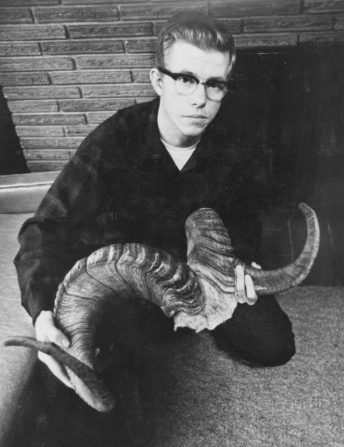
Robert Hansen was like any ordinary kid, born on February 15, 1939 in Estherville, Iowa. Unlike most his age, Hansen had a tough childhood. He grew up with very strict parents who would force him to work long hours with his father in his family’s bakery at a young age. Hansen was naturally left-handed but was forced to use his right hand which resulted in a lifelong stutter. His brain focused on learning to use that right hand (to please his parents and hope to slow or stop his abuse), which caused his speech impediment/stutter. Living in a tough home, Hansen also struggled with the outside world, especially in school. Hansen was extremely shy and had horrible acne which made him a great target for bullying. He was teased and mocked for his stutter by his classmates. Boys made fun of him, girls rejected him, and he was constantly described as a loner. During this time, he became an avid animal hunter, using his rage and pain to a sport of hunting and killing animals.
First Attempt of Revenge
Life didn’t seem fair to Hansen, so he wanted to leave his troubled youth behind and join the United States Army Reserve. For a while, joining the army made him forget most of his childhood. After a year in the Army Reserve, he became an assistant drill instructor in Pocahontas, Iowa. Eventually, Hansen met a young woman and married her. Even with things going well for Hansen, he still felt mistreated by his community. In December 1960, Hansen convinced one of his bakery employees to help him burn down a school bus garage. His motive was revenge against the school system for all the bullying he endured during his school years. The employee he asked to help him do the crime later confessed and Hansen was arrested and sentenced to 3 years in a state reformatory for arson and theft. While in jail, his wife divorced him and Hansen was diagnosed with manic depression (bipolar disorder) with periodic schizophrenic episodes. After 20 months, Hansen was released on parole in 1962, though he went back to committing petty thefts but was rarely charged. In 1963, he remarried to a woman named Darla and had two kids with her. Eventually Hansen moved his family to Anchorage, Alaska, in 1967. There he started a new life, where he opened “Hansen’s Bakery.” At first, it seemed like everything was going well, but underneath it all, Hansen still couldn’t let his past go.
Targeting and Abducting
Hansen lived a double life: one as a successful bakery worker and family man while abducting, murdering, and sexually assaulting at least 30 women during his spree. Hansen would primarily target vulnerable women such as exotic dancers and sex workers. He believed they were less likely to be reported missing. Hansen would lure the women with money, then abduct them at gunpoint. After this, he would hold them in a sound proof room in his basement while his family was home upstairs. Hansen would do despicable things to these women before releasing them back outside. While the victims were in his custody, Hansen wanted total control over them to make up for the lack of control he experienced during his own abuse-filled childhood. Most of his victims would go to the police and convict him of sexual assault. In 1972, Hansen was arrested twice for abduction and attempted sexual assault. He was able to walk free after his earlier crimes which made him continue his revenge. Throughout the years, he would continue to do these things until he was arrested in 1977 for stealing a chainsaw. While awaiting sentencing for his theft, Hansen applied for a pilot license from the Federal Aviation Administration (FAA). The FAA discovered that Hansen was using lithium for his diagnosed condition (it was used for his bipolar disorder or as a relief for his stuttering), which made Hansen ineligible for certification.
Hansen’s Wife and Kids
Throughout Hansen’s spree and crimes, his wife, Darla Hansen, only knew about his troubled history and the arrests of attempted kidnapping at gunpoint from earlier in their marriage. Usually in the late night, she knew Hansen was “up to no good,” but believed that his activities only consisted of seeing sex workers before starting work at the bakery. Robert and Darla Hansen both lived separate lives. While Robert was working at the bakery and secretly committing his crimes, his wife was working as a teacher for students with special needs, as well as taking care of their kids at home. Hansen, largely due to his childhood trauma, abused his children, inflicting on them what he had endured. This abuse, combined with Hansen’s frequent late-night absences, and eventual arrest led to Darla divorcing him in 1984. Following the divorce, Darla moved to Arkansas with the children to be near her parents and keep her family happy.
Hidden Evidence
Even though Hansen wasn’t good at keeping his crimes from the authorities, he was good at making sure his wife and kids had no idea about the person he really was. Throughout his home, he would hide maps of burial sites, weapons, and his victims’ jewelry in secret attic compartments and some behind Robert and Darla Hansen’s headboard.
‘Hunting’ Victims
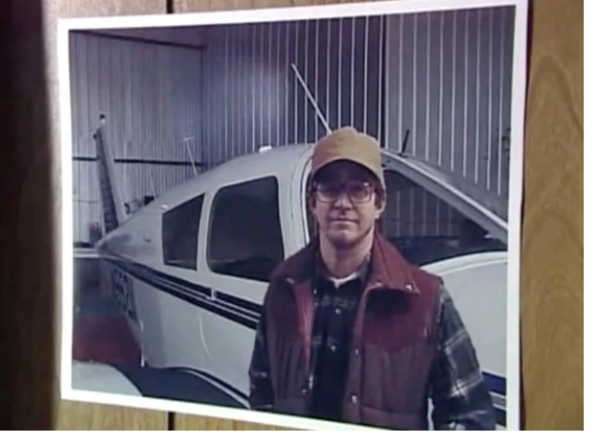
In January 1982, Hansen purchased a piper super club, which was a type of plane back then. He bought the plane using money from a fraudulent insurance claim. Being denied from getting a pilot license didn’t stop Hansen from getting and using a plane anyway. With this plane, he would fly his victims to remote areas in Alaska. After landing, he would release them and make them attempt to escape. As a professional animal hunter, his victims barely had a chance to escape before being shot and hunted like animals. Once done, Hansen would bury their bodies in different locations in the remote area. He would put the location of the bodies on a map he had, marking their spot on the map. Then, he would fly back home to see his family like nothing ever happened.
Cindy Paulsen
At 17 years old, Cindy Paulsen was kidnapped, sexually assaulted, and held captive by Hansen. While he was loading his private plane to fly her to a remote location, she managed to escape from his car while barefoot and handcuffed. It didn’t take long for Hansen to notice her escaping, so he started to chase her down with his loaded rifle. Cindy was able to flag down a trucker who took her to a nearby motel. The police were called and Cindy was able to provide crucial information to the police. Her testimony allowed investigators to link Hansen to the disappearances of dozens of other women.
Investigation
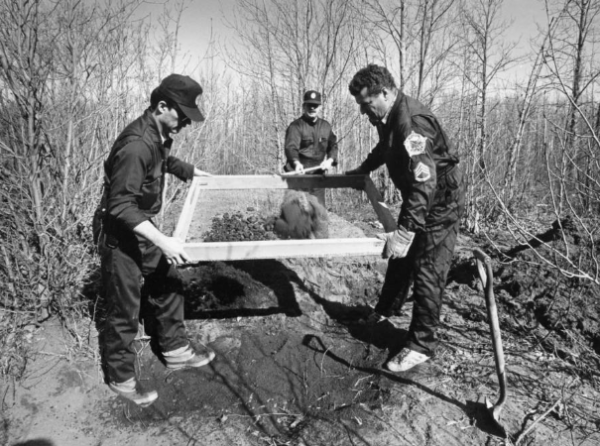
Unlike most police investigations, there were no suspects because there wasn’t an official case, due to the victims’ gender and jobs. When Cindy escaped and went to the police, authorities were skeptical because of her job as a sex worker. However, she was able to provide them with a detailed description of Hansen’s car and plane. She also said that she left her shoes in Hansen’s car as evidence. This information brought them to Hansen and soon took him into questioning. Police asked him questions about Cindy, but he denied all of the allegations. With not much proof and evidence, Hansen was released, but police didn’t stop there. They were able to collect more information about Hansen’s background and his earlier crimes, which was enough evidence to get a warrant to search his home. At his house, they discovered massive amounts of evidence for his crimes and Hansen was arrested on the spot. The police had found woman’s jewelry, potential murder weapons, and most importantly a map with x spots in designated areas which police figured was where Hansen had buried his victims. Hansen soon confessed to his crimes and helped police find his buried victims.
Arrest and Conviction
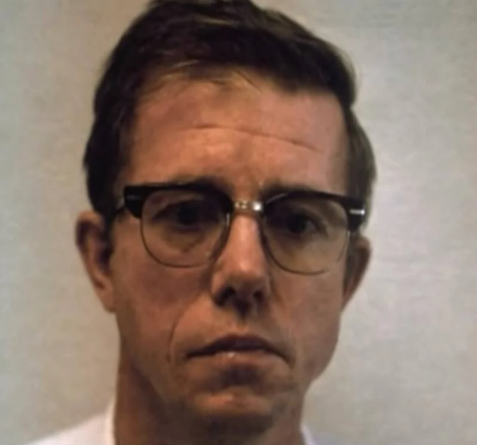
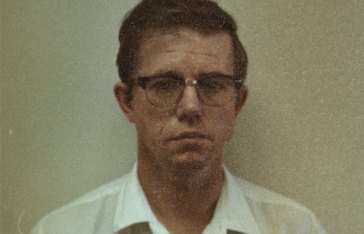
Hansen was arrested on October 27, 1983 and confessed to murdering 17 women and sexually assaulting 30 others. He was sentenced to 461 years plus life without parole. His story and what he did made authorities realize that a lack of empathy for his victims because of who they were was the reason Hansen remained free even after several women escaped and reported him. Hansen appeared to be a normal family man that turned out to be someone no one expected he’d become. From this, investigators learned that the most dangerous predators often hide in plain sight. Listening to survivors was another lesson learned from this case. Survivors must be believed and their leads followed regardless of who they are and what they do. Robert Hansen passed away on August 21, 2014 at the age of 75. His case made authorities realize their mistakes and hope for a better future with improved investigation processes.
References:
https://www.facebook.com/peoplemag. “Robert Hansen Hunted 17 Women in the Alaska Woods, but Police Didn’t Even Know Most Were Missing. Here’s How the Serial Killer Was Finally Caught.” People.com, 2025, people.com/how-serial-killer-robert-hansen-was-caught-11793985.
Janos, Adam. “Robert Hansen, the “Butcher Baker” Serial Killer Who Hunt…” AETV, 29 July 2019, www.aetv.com/articles/alaska-serial-killer-robert-hansen.
Serena, Katie. “Robert Hansen — the Serial Killer Who Hunted His Victims like Animals.” All That’s Interesting, All That’s Interesting, 9 Mar. 2018, allthatsinteresting.com/robert-hansen.
“Victim of Serial Killer Robert Hansen Identified 37 Years after She Was Discovered – Press Releases – PIO – Alaska Department of Public Safety.” Alaska.gov, 2021, dps.alaska.gov/AST/PIO/PressReleases/Victim-of-Serial-Killer-Robert-Hansen-Identified-3.