
























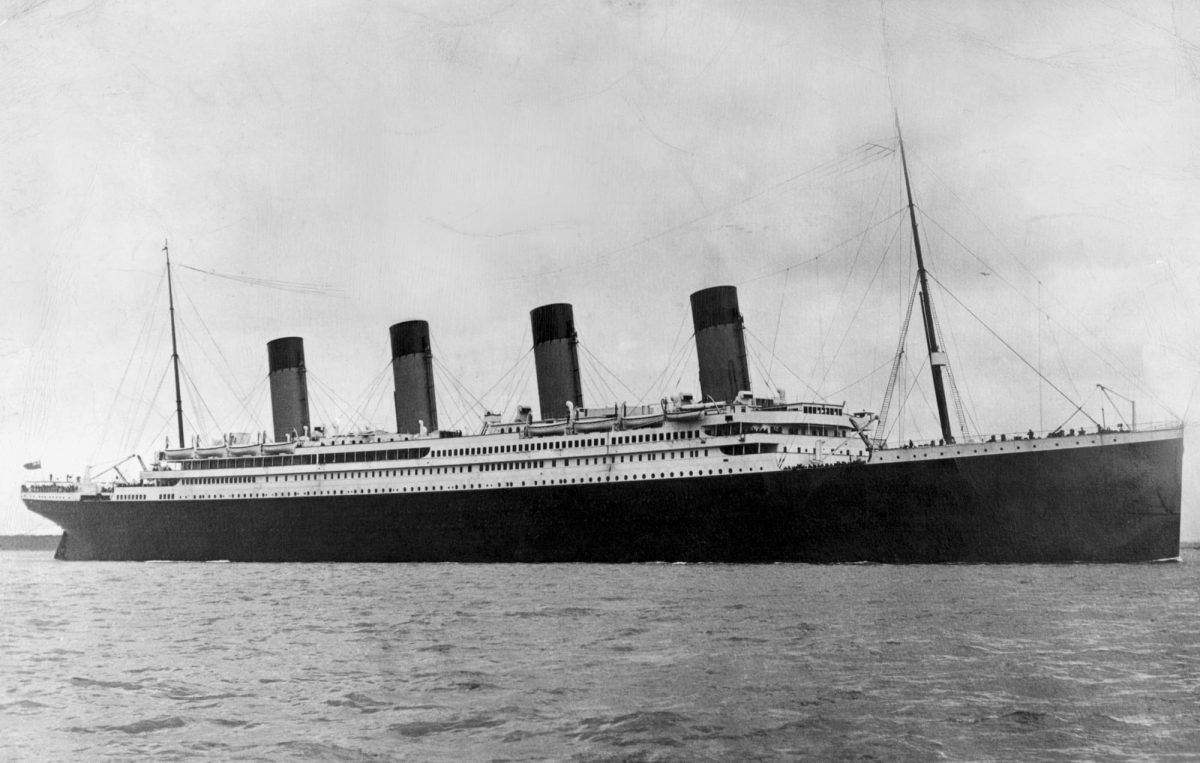
The Titanic sank in the early year of 1912 on April 15th, after hitting an iceberg. The Titanic was traveling from England to New York and had over 2,400 people on board. The Titanic is one of the most famous tragedies that happened in modern history.
Aftermath/The Impact
The news of the Titanic disaster caused outrage on both sides of the Atlantic. As a result, the first meeting for the Safety of Life at Sea was held in 1913. New rules and regulations required ships to have lifeboats for every person aboard and to have regular lifeboat drills. An International Ice Patrol was created to track icebergs in the North Atlantic shipping lanes, and it is also required that ships have a 24-hour radio watch.
What was wrong with the Titanic?
The Titanic was designed by Irish shipbuilder William Pierre and constructed in Belfast. It was believed to be one of the fastest ships at the time. The ship measured 883 feet in length and was divided into 16 compartments that were believed to be watertight. The Titanic was considered “unsinkable.” After stopping in Cherbourg, France, Queenstown, and Ireland to pick up some final passengers, the ship was on its way to New York. Just before midnight on April 14th, the ship encountered an iceberg and it ruptured.
How many people died on the Titanic?
There were 2,400 people on the Titanic. About 1,500 passengers, including the crew, on the Titanic died. Lots of people died because there were not enough lifeboats on board in conjunction with a low chance of survival. Over 706 people survived, but a lot of them ended up suffering from P.T.S.D due to the freezing cold water. Many people left a lot of their belongings on the boat: a life jacket, a whistle, a doll head, a girl’s dress, a guitar in its case, glasses, a plate, a cup, a clarinet that was broken in half, binoculars, spoons, a butter knife, and a diamond ring, to name a few. They found all of these items on September 1, 1985.

The sinking
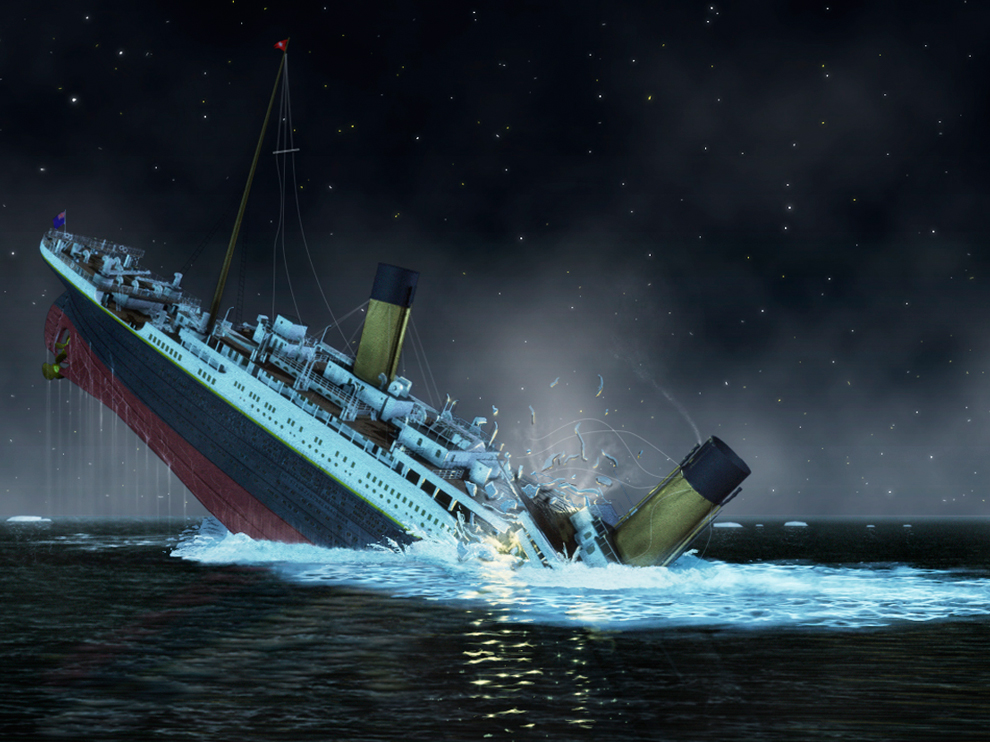
When the Titanic hit the iceberg, it made a 300 foot slash below the waterline. The Titanic began to fill up with water caused by the 5 ruptures by the hull compartments. The Titanic’s compartments were not capped at the top; this caused the rest of the compartments to fill.
The Titanic took about 2 hours and 40 minutes to sink after hitting the iceberg. Soon after it snapped in half, it sank at approximately at 2:20 a.m.
Timeline –
March 31, 1909 – Construction begins in Belfast, Ireland.
May 31, 1911 – Titanic is launched and, later, the fitting out phase starts.
April 10, 1912 – The Maiden Voyage begins as the ship leaves Southampton, England.
April 11, 1912 – The Titanic makes its final European stop in Queenstown, Ireland.
April 14, 1912 (11:35 p.m.) – The iceberg is spotted, but it is too late to avoid a collision.
April 15, 1912 (12:15 a.m.) – The first distress signals are sent.
April 15, 1912 (12:20 a.m.) – Cunard liner Carpathia, which answered the Titanic’s wireless distress calls, rushes towards the Titanic.
April 15, 1912 (12:45 a.m.) – The first lifeboats are loaded.
April 15, 1912 (2:18 a.m.) – The Titanic’s bow sinks.
April 15, 1912 (2:20 a.m.) – Titanic, full with water, sank.
April 15, 1912 (3:30 a.m.) – Survivors are rescued by Cunard liner Carpathia.
September 1,1985 – The shipwerck is discovered by an expedition led by Robert Ballard.
References:
https://mollybrown.org/aftermath-of-the-sinking-of-the-titanic/
https://www.history.com/this-day-in-history/april-15/titanic-sinks
https://www.britannica.com/topic/Titanic
https://www.usatoday.com/story/news/2023/09/14/why-did-the-titanic-sink/70383448007/
https://www.rmg.co.uk/stories/maritime-history/rms-titanic-facts