










History
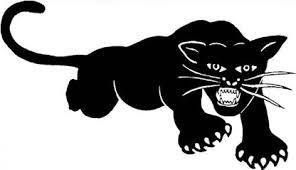
The BPP (Black Panther Party) was founded in Oakland, California, in 1966, by Huey P. Newton and Bobby Seale. The BPP was a revolutionary Black Power Organization made to protect black communities from police brutality and racism. They did this via armed patrols and getting into firefights with law enforcement. The reason the BPP became so popular is because of the inequality, poverty, and discrimination that the African American community faced during the 1960s. The Black Panther Party disbanded in 1982, however, due to FBI interference, leadership issues, and internal conflict.
What they did
The BPP offered free breakfast programs for those in need, opened health clinics, and implemented educational initiatives. However, they also followed the police using California’s open-carry laws to observe and prevent brutality. This was highly controversial at the time. And, in May of 1967, heavily armed Panthers entered the Capitol to protest the Mulford Act (restricting gun rights), gaining media attention from this dramatic stunt. Dressed in black leather jackets and black berets, while heavily armed, the group was drastically different from the peaceful protesters law enforcement was accustomed to; this posed a threat to the very system that the media and law enforcement had at the time.

Why are they back?
Spotted in Philadelphia and Minneapolis under the new name, Black Panther Party for Self-Defense, now led by Paul Birdsong, they engaged in armed “cop watching” (due to recent activities regarding ICE) and provided armed security for anti-ICE protesters. In an interview with Paul Birdsong, he said, “I guarantee you they won’t, I’ll put a hole in their chest the size of a window…An unarmed woman was killed by ICE. If you think you are about to come and brutalize the people while we’re standing here?” Birdsong refuses to allow ICE to kill more people than they already have.
Controversy
The main controversy is that the New Black Panther Party (NBPP) isn’t legitimately connected to the original Black Panther Party group, and that the leader, Birdsong, is only using the name for attention due to his record of being a failed rapper (with only 82 monthly listeners as of Jan 22). The NBPP is claiming, however, that they are “the same Panther Party from back in the day.” Even so, according to members of the original Black Panther Party and The Dr. Huey P. Newton Foundation (founded by the original party’s co-founder), the NBPP is not the same party nor is it associated with the party from the 1960’s. This has led to distrust and the belief that Birdsong is a fake activist.
Conclusion
There are many widespread opinions supporting the NBPP, as well as some that are concerned about what they can actually accomplish. People who are in favor of the NBPP believe that they hold ICE officers accountable for their actions. Others, however, believe that they are abusing the law and are considered dangerous, compromising the safety of police officers and ICE officials. What is your opinion on the NBPP? Do you think what they are doing is beneficial or harmful to society?
References
Frederique, Nadine. “COINTELPRO | FBI, Surveillance, Political Activism.” Britannica, https://www.britannica.com/topic/COINTELPRO. Accessed 29 January 2026.
“What was the FBI’s response to the Black Panther Party?” Britannica, https://www.britannica.com/question/What-was-the-FBIs-response-to-the-Black-Panther-Party. Accessed 29 January 2026.
Yang, John, et al. “The often misunderstood legacy of the Black Panther Party.” PBS, 18 February 2024, https://www.pbs.org/newshour/show/the-often-misunderstood-legacy-of-the-black-panther-party. Accessed 29 January 2026.