






















How Music Helps Students With Stress
Music isn’t just something students listen to for fun, it can actually help the body and mind relax. When students listen to calming music, their heart rate can slow down and their muscles can relax. This happens because slower music helps the brain move into a calmer state, which makes people feel less tense and more at ease. Music can also help students feel emotionally supported, especially during stressful school days filled with homework, tests, or big presentations.
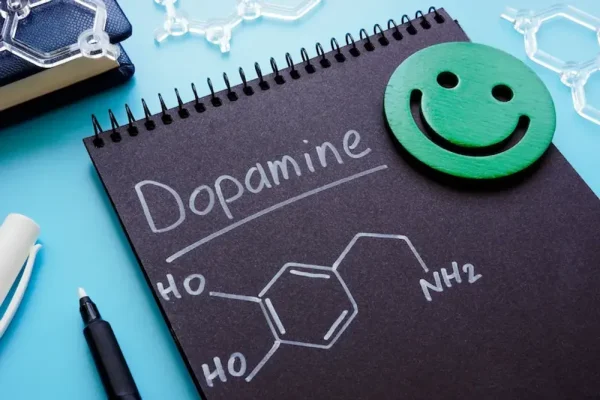
Music also changes how we feel inside our brains. When students listen to music they enjoy, their brain releases a chemical called dopamine. Dopamine helps improve mood and reduces stress. This is why listening to favorite songs can make students feel happier or calmer almost right away. Music gives students a simple way to relax and reset their emotions.
Why Students Prefer to Listen to Music
Many students prefer listening to music because it helps them cope with daily stress, being overwhelmed, or being overstimulated in a way that feels personal. Some students listen to calm music to relax after a long day, while others play upbeat songs to feel more motivated or confident. Music can also help block out distractions, making it easier for students to focus while studying or doing homework. Another reason students enjoy music is because they can choose what they listen to. Everyone has different tastes, and picking music they like helps students feel more in control of their emotions. When students choose songs that match their mood, music becomes a tool they can use to feel understood, calm, or energized when they need it most.
Music is a big part of many students’ lives, but I wanted to know if that was true at EPHS. I sent out a form to students at our school asking if they listen to music and why. The results show how music helps students in different ways.
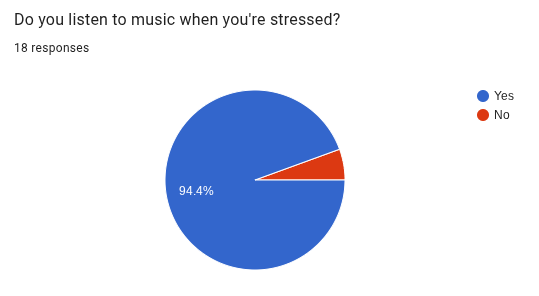
The results make it clear that most EPHS students listen to music to deal with stress. Only a small number of students said they do not listen to music at all. This shows that music is a common part of students’ daily routines. In the survey students also stated how they feel when listening to music, here are some examples:
“Music is like a transportation away from everything keeping you chained to earth.” -EPHS student
“Music helps me feel not alone and distracts me.” -EPHS student
“The melodies are calming and the lyrics are relatable.” -EPHS student
“It helps me express my emotions.” -EPHS Student
How Science Proves Music Can Reduce Stress
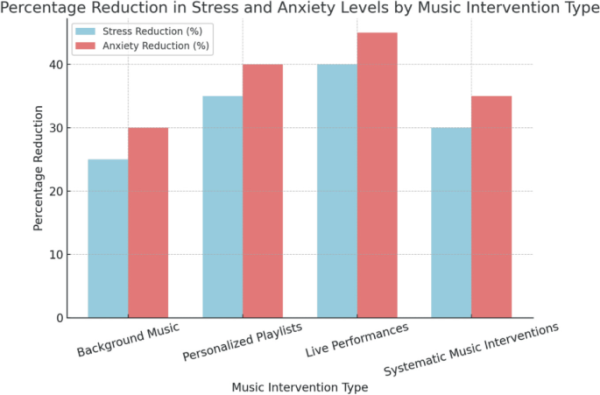
Science shows that music has real effects on the brain and body. Studies have found that listening to slow, steady music (around 60 beats per minute) can help the brain slow down and relax. When this happens, the body follows by lowering its heart rate and reducing stress hormones like cortisol, which is released during stressful situations.
Music therapy has also been proven to help reduce anxiety and improve emotional well-being. Researchers believe this works because music activates parts of the brain that control emotions and rewards. When these areas are active, students can feel calmer, safer, and more relaxed. These scientific findings help explain why music is such a powerful stress-relief tool.
Music and Emotional Well-Being
Music doesn’t just help in the moment, it can also support students’ emotional health over time. Listening to music helps students learn how to manage strong feelings like stress, sadness, or frustration. It can also boost confidence and help students feel connected to other students through listening to the same songs, same artists, or same genre.
Because of these benefits, some teachers and counselors often encourage students to use music as part of self care. Whether students are listening quietly or using music to express themselves, it can be a healthy and positive way to support mental well being.

Conclusion
Overall music helps students with stress because it works both physically and emotionally. It calms the body, improves mood, and helps students feel more in control during stressful times. Whether our EPHS students use music to relax, focus, or feel motivated, it is a simple and effective way to support mental health. Scientific studies continue to show that music is more than just entertainment and that it is a powerful tool for our students’ well-being.
References:
Nelson, C. (2023, January 26). Calming, Engaging, Rewarding: How music can help mental health with children. MAYO Clinic. Retrieved January 3, 2026, from https://mcpress.mayoclinic.org/parenting/calming-engaging-rewarding-how-music-can-help-childrens-mental-health/
(Releasing Stress Through the Power of Music I Counseling Services I University of Nevada Reno, n.d.). Retrieved January 3, 2026, from https://www.unr.edu/counseling/virtual-relaxation-room/releasing-stress-through-the-power-of-music
Conti, G., & Sloan, A. (2024, December 12). Music Listening for Student Well-Being. National Association for Music Education. Retrieved January 4, 2026, from https://nafme.org/blog/music-listening-for-student-well-being/