






















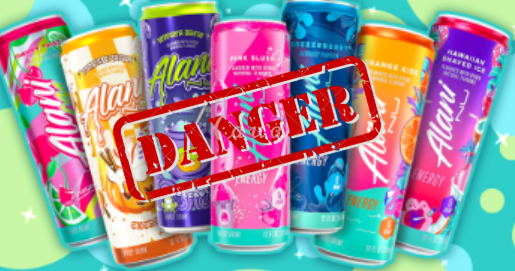

Alani Nu was created in 2018 by fitness influencer Katy Hearn and her husband Haydn Schneider. They started the brand because they felt a lot of supplements and energy drinks on the market were too focused on men, had boring flavors, and included ingredients they didn’t fully trust. They wanted to make products that felt more fun, colorful, and appealing to women in fitness and wellness.
They named the brand Alani Nu to create a premium, welcoming, and empowering health brand for women. The name Alani means “precious” or “awakening”, which aligns with their goal to make women feel confident and empowered.
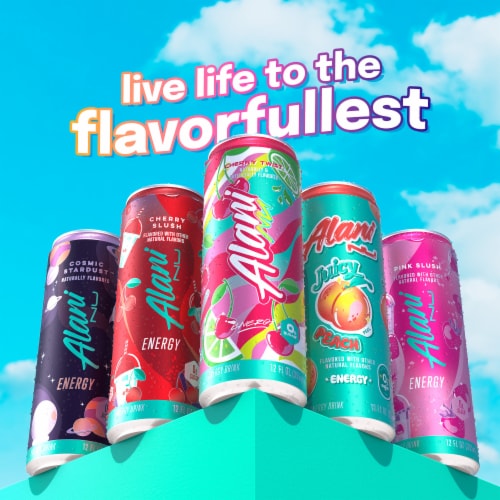
Alani’s biggest appeal to women is their packaging. The packaging was designed and developed through a collaboration with the founder Katy Hearn and Congo Brands. Congo Brands is the mastermind behind high profile beverage brands, like PRIME Hydration and Alani Nu, specializing in partnering with influencers to scale brands quickly.
The flavors were picked to stand out from typical energy drinks flavors, like plain blue raspberry or generic fruit punch. Katy and Haydn said they wanted flavors that tasted like candy, desserts, and nostalgic treats while being low-sugar. They worked with flavor partners to test combinations until they found flavors people would actually crave to drink.
Alani Nu is doing really well financially. The brand has become one of the fastest growing energy drink companies in the U.S., especially among teen girls and young women. Their sales reportedly grew over 72% in one year, which is huge for a drink brand. In early 2025, the Schneiders sold the company to Celsius for $1.8 billion.
Currently, lots of people online are talking about the case of Larissa Nicole Rodriguez, a 17 year old whose family filed a death lawsuit connected to Alani Nu energy drinks. Her family says she regularly drank Alani Nu energy drinks. The medical examiner reportedly found she died from an enlarged heart linked to stress and large amounts of caffeine. The lawsuit claims the drink contains very high caffeine levels for teens and did not adequately warn young consumers about possible heart risks. The company has not been found legally responsible at this point, and the case is still developing.

Rodriguez’s case has become popular because it brings up the debate of whether energy drinks are being marketed too heavily towards younger audiences. Although Alani was targeted for women, many young girls were also interested in the energy drinks.
Of course most energy drinks, including Alani Nu, can have health risks, especially for teens, people sensitive to caffeine, or people with heart conditions. The main concern is the high caffeine content. One can of Alani Nu contains about 200mg of caffeine, which is double the amount many experts recommend as the daily limit for teens. In more serious cases, too much caffeine can affect the heart and nervous system.
Many adults drink energy drinks occasionally without major problems. The biggest risks usually happen with frequent use, drinking more than one can a day, mixing these drinks with other caffeine, and intense exercise in combination with these drinks.

There are a lot of ways to boot energy without relying on energy drinks, like Alani Nu or other high caffeine drinks. Some easy things to do to gain energy are getting sunlight, listening to music, and drinking tea.
References
The Dark Side of Energy Drinks: A Comprehensive Review of Their Impact on the Human Body. (n.d.). PMC. Retrieved May 12, 2026, from https://pmc.ncbi.nlm.nih.gov/articles/PMC10535526/
Family says popular energy drink played role in cheerleader’s fatal heart condition. (2026, April 10). NBC News. Retrieved May 12, 2026, from https://www.nbcnews.com/news/us-news/texas-teens-death-linked-caffeine-alani-nu-energy-drink-family-alleges-rcna267441
Family says popular energy drink played role in cheerleader’s fatal heart condition. (2026, April 10). NBC News. Retrieved May 12, 2026, from https://www.nbcnews.com/news/us-news/texas-teens-death-linked-caffeine-alani-nu-energy-drink-family-alleges-rcna267441
For teens, energy drinks may have harmful side effects. (2023, August 1). UCLA Health. Retrieved May 12, 2026, from https://www.uclahealth.org/news/article/teens-energy-drinks-side-effects